

float glass sheets
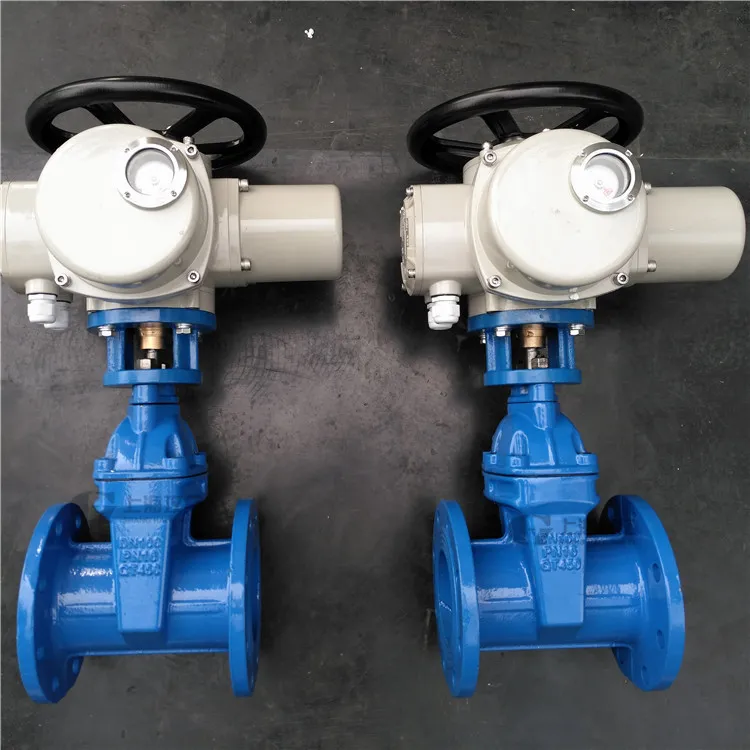
Understanding the Main Water Shut-Off Valve Importance and Maintenance The main water shut-off valve is a critical component in any residential or commercial plumbing system. This valve controls the flow of water into your home, making it essential for routine maintenance, emergency situations, and preventing water damage. Understanding its location, function, and maintenance can save homeowners time, money, and potential headaches. What is the Main Water Shut-Off Valve? The main water shut-off valve is typically located near where the main water line enters your home. In most cases, you can find it in the basement, crawl space, or outside the home near the foundation. The valve allows you to shut off the water supply quickly in case of a leak, burst pipe, or plumbing emergency. This is crucial, as significant water leaks can lead to extensive damage to your property and costly repairs. Types of Shut-Off Valves There are several types of shut-off valves that homeowners may encounter 1. Gate Valves These are traditional types of valves that use a gate to control water flow. They can be more difficult to operate and may become stuck over time, especially if they are rarely used. 2. Ball Valves Ball valves feature a spherical disc that provides a reliable and efficient way to start or stop water flow. They are generally easier to turn and less likely to leak compared to gate valves and are often the recommended choice for main shut-off valves. 3. Angle Stop Valves These valves connect the water supply line to the plumbing fixtures. They are typically used for individual fixtures rather than the main supply. Importance of the Main Shut-Off Valve Having a functioning main water shut-off valve is crucial for several reasons - Emergency Control In the event of a burst pipe or plumbing failure, knowing how to quickly shut off the main water supply can prevent extensive water damage and reduce the risk of mold growth. - Water Conservation If you're performing plumbing repairs or renovations, shutting off the water supply can help avoid wastage and provide a controlled environment for work. main water shut off valve - Routine Maintenance Regularly testing your main shut-off valve ensures that it’s functioning correctly when you need it. An untested valve may not operate effectively during an emergency. How to Locate and Operate the Main Shut-Off Valve Finding your main water shut-off valve may require some exploration. It is often metallic and can be identified as a round or lever-style handle. Here's how to locate and operate it 1. Search Common Areas The valve is usually located where the main water line enters the house. Look in the basement, near the water meter, or outside near the foundation. 2. Turn Off the Valves If the valve has a round handle, turn it clockwise until it stops. If it has a lever, turn it perpendicular to the pipe to shut it off. It’s essential to familiarize yourself with this process ahead of time. Maintenance Tips To ensure your main water shut-off valve operates effectively when needed, consider the following maintenance tips - Regular Inspection Periodically inspect the valve for signs of corrosion, leaks, or damage. If the valve shows any signs of wear, consider replacing it. - Exercise the Valve If the valve is rarely used, exercising it by turning it on and off a few times a year will help prevent it from becoming stuck. - Keep It Accessible Ensure that the area around your valve is clear of clutter, so you can access it quickly in an emergency. Conclusion The main water shut-off valve is a vital part of your plumbing system that every homeowner should be familiar with. By understanding its importance, knowing how to locate and operate it, and performing regular maintenance, you can avoid significant water issues and ensure your home remains safe and sound. Taking the time to familiarize yourself with this crucial valve could mean the difference between a minor inconvenience and a costly disaster.
about
float glass sheets
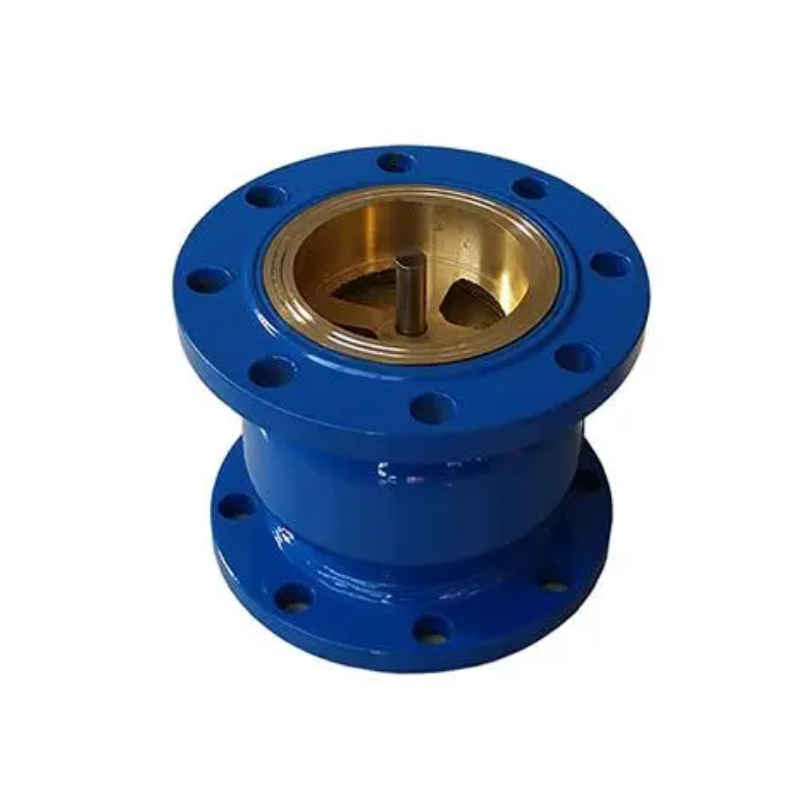
Understanding Pump Check Valves Importance and Functionality In various industrial and commercial applications, the effectiveness and efficiency of fluid transfer systems hinge significantly on the components used within them. Among these components, pump check valves play a critical role in ensuring proper functionality. This article delves into the significance of pump check valves, how they work, and their applications across different industries. What is a Pump Check Valve? A pump check valve is a type of one-way valve that allows fluid to flow in only one direction—forward—while automatically preventing backflow. This characteristic is crucial for systems that involve pumping fluids, as backflow can cause damage to the pump, reduce efficiency, and lead to potential safety hazards. Check valves come in various designs, such as swing check valves, lift check valves, and diaphragm check valves. Each type has a specific mechanism that suits different operational demands, but all serve the primary purpose of ensuring unidirectional flow. How Do Pump Check Valves Work? The operation of a pump check valve is relatively straightforward. When the pump is activated, the pressure of the fluid opens the valve, allowing it to flow through the system. When the pump is turned off or if there is a drop in pressure, the internal mechanism closes the valve, preventing any backflow. This action helps maintain system integrity and ensures that the fluid reaches its intended destination without regression into the pump or other components. The design of the check valve—regardless of type—ensures that it can withstand the pressures and dynamics of the fluid flow. Materials used in manufacturing these valves vary, and they may include stainless steel, brass, and plastic, depending on the application's chemical compatibility and pressure requirements. Importance of Pump Check Valves The significance of pump check valves extends across a multitude of reasons 1. Protection of Equipment By preventing backflow, pump check valves protect the pump and other system components from damage. Frequent backflow can cause wear and tear, leading to costly repairs and inefficiencies. pump check valve 2. Improved System Efficiency By ensuring that fluids flow in a single direction, these valves contribute to the overall efficiency of the pumping system. This efficiency translates into reduced energy consumption and enhanced performance. 3. Safety Assurance Properly functioning check valves guard against unexpected surges in pressure or fluid reversal, which can be hazardous in certain applications. They are particularly critical in systems dealing with volatile or hazardous materials. 4. Regulatory Compliance Many industries are governed by strict regulations regarding equipment and safety standards. Installing reliable check valves can ensure compliance with these regulations, mitigating legal and financial risks. Applications Across Industries Pump check valves can be found in a wide range of industries, each benefiting from their unique functionalities - Water and Wastewater Management Check valves are pivotal in municipal water systems and wastewater treatment plants to prevent contamination and ensure the integrity of the water supply. - Chemical Processing In the chemical industry, maintaining the flow direction of reactive substances is essential to minimize hazardous situations, making check valves indispensable. - Oil and Gas Pump check valves play a critical role in maintaining flow direction in oil pipelines, preventing backflow that could disrupt operations or cause spills. - Food and Beverage In this industry, check valves are employed to ensure sanitary flow conditions, preventing backflow that could lead to contamination. Conclusion In summary, pump check valves are vital components in fluid transfer systems, providing essential benefits such as protection, efficiency, and safety. Their simplicity in design belies their importance, as they contribute significantly to the reliability and functionality of various industrial applications. Understanding their role is crucial for engineers, operators, and maintenance personnel aiming to optimize system performance and ensure safe operations in any liquid handling process. As industries continue to evolve, the relevance of pump check valves will undoubtedly remain robust, necessitating ongoing attention to their selection, installation, and maintenance.
-

High quality industrial productsagement

High quality industrial products
View Details -

Meet the diverse needs of customers

Meet the diverse needs of customers
View Details -

Strict quality control

Strict quality control
View Details -

Top raw materials

Top raw materials
View Details -

Trusted supplier

Trusted supplier
View Details
Our application

news and information
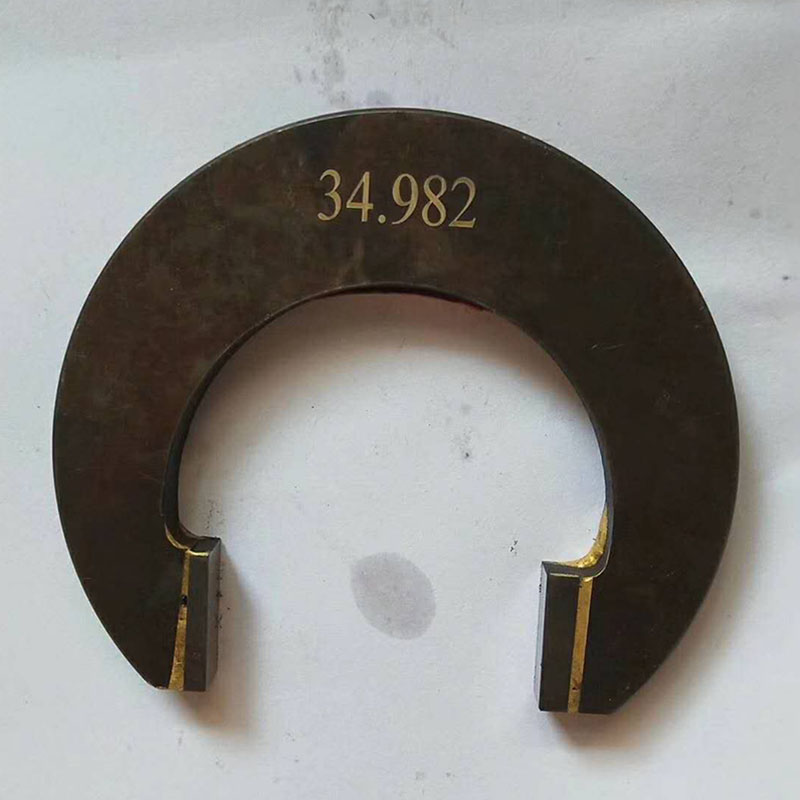
Vnitřní měřidlo průměru pro přesné měření trubkových a válcových otvorů
Interní měřidlo průměru Klíčový nástroj pro precizní měření Interní měřidlo průměru, známé také jako
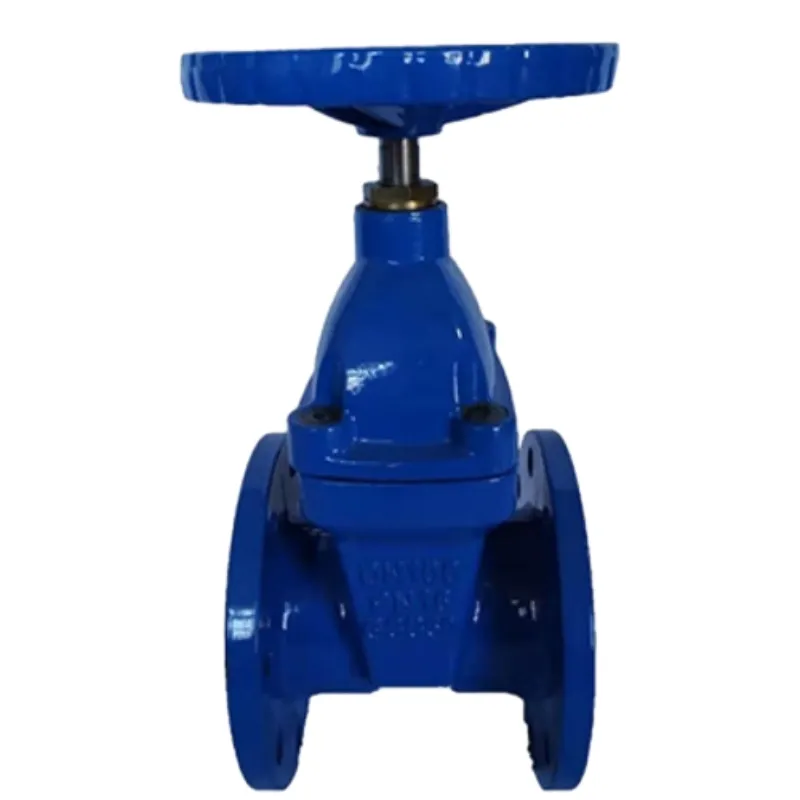
Valves Available for Purchase Now at Competitive Prices
Exploring the Market for Valves for Sale A Comprehensive Guide In industrial applications across var
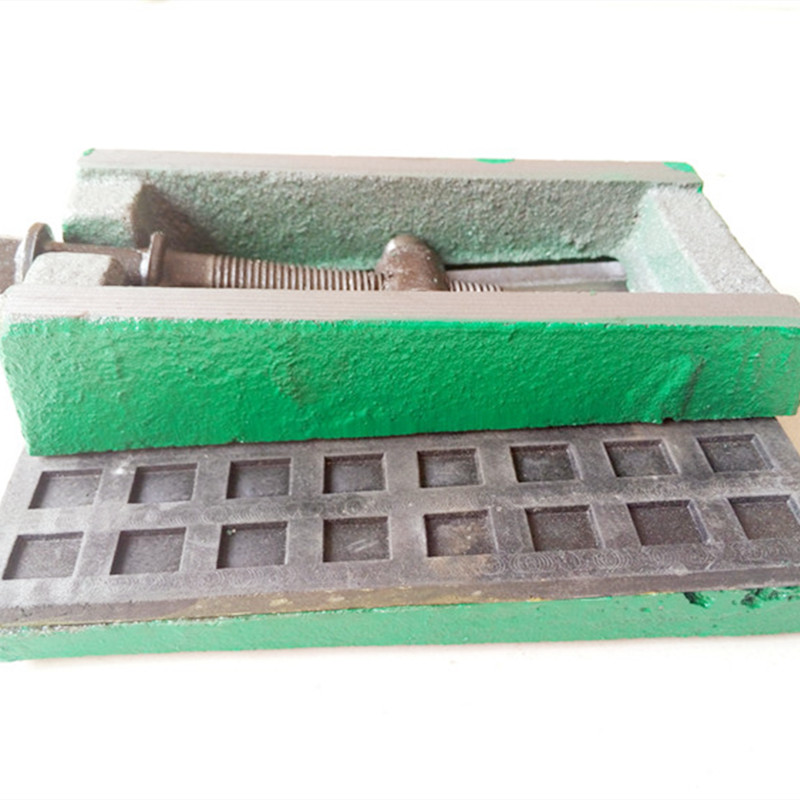
V Block--The Perfect Tool for Precision Machining
In the world of precision machining, having the right tools is essential for achieving accurate resu
 English